Top 10 Signs You Are Ready for a Hair System, and What to Do Next
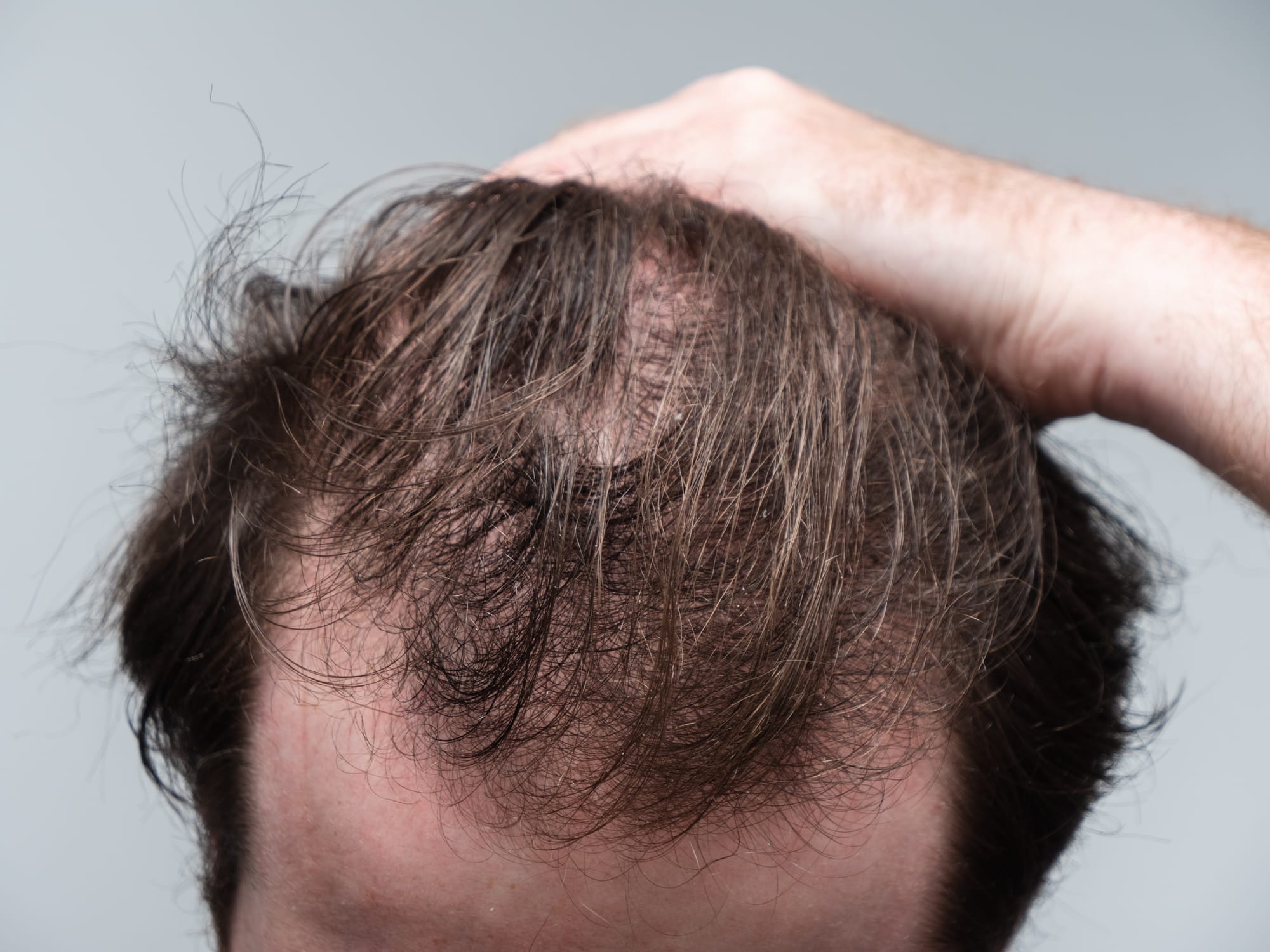
Professional Hair Systems exists for one reason, to help people look and feel like themselves again with realistic, comfortable, modern hair systems. If you have been on the fence, you are not alone. Many people spend months or years cycling through shampoos, vitamins, fibers, hats, different haircuts, and maybe even medications before they finally ask the question, “Is it time for a hair system?”
This article is a practical checklist. It covers the top 10 signs you are ready for a hair system, plus exactly what to do next, from choosing your first system to planning the install and long term maintenance. Read it like a decision guide. If several signs apply to you, you are likely closer than you think.
Before the list, a quick note on what a hair system is
A hair system is a customized, non surgical hair replacement that integrates with your existing hair or replaces hair in thinning or bald areas. It uses a thin base material with human hair or high quality synthetic hair. It is attached using professional adhesives, tapes, clips, or a combination, depending on your lifestyle and comfort preferences. Today’s best systems are designed to look like natural hair from every angle, including the hairline, part, and crown.
Top 10 Signs You Are Ready for a Hair System, and What to Do Next
1) Your hair loss is affecting your confidence more than you want to admit
Hair loss is not only cosmetic. It changes how you show up at work, in relationships, and in everyday social moments. If you catch yourself avoiding bright lighting, turning down invitations, or feeling tense when someone stands behind you, that is a strong sign the emotional burden has begun to outweigh the idea of “just dealing with it.”
This sign often shows up in small behaviors. You might take fewer photos, spend extra time positioning yourself for a conversation, or feel distracted thinking about your hair while someone is speaking to you. When hair loss starts taking mental space every day, it is fair to consider solutions that give you that space back.
What to do next
- Define your goal in one sentence. Examples, “I want to stop worrying about my hair at work,” or “I want to feel confident dating again.”
- Pick a target look. Save 5 to 10 photos of hairstyles you would genuinely wear, not just “great hair” photos. Look for similar face shape and hair texture.
- Book a private consultation. A good provider will talk about expectations, hairline design, density, and maintenance, without pressure.
2) You are spending more time hiding hair loss than styling hair
There is a clear tipping point. Instead of styling, you are camouflaging. You may be combing hair forward to cover recession, widening the side part to hide thinning, building volume with powders, or planning outfits around hats. The result is time and stress, often with inconsistent outcomes, especially in wind, humidity, or under overhead lights.
If getting ready is primarily about concealment, a hair system can be a relief because it moves you from daily problem solving into a stable, repeatable routine. Many wearers say the most surprising benefit is not looking “better,” but feeling calmer.
What to do next
- Track your routine for one week. Write down how many minutes you spend on cover up strategies. This makes the cost benefit comparison more real.
- List your top frustration triggers. Wind, sweat, hats, rain, office lighting, phone camera, gym, dates.
- Ask about base type recommendations. Your triggers matter. For example, an active lifestyle may influence base choice and attachment method.
3) Your current haircut no longer gives you options
At first, a skilled haircut can do a lot. But eventually thinning reaches a stage where the haircut options shrink. You might feel forced into very short styles, or you keep the same haircut for years because anything else exposes thinning. You might also notice that barbers and stylists quietly adjust without talking about it, taking less off the top, leaving more length in specific areas, or avoiding certain parts.
When your haircut becomes a restriction instead of an expression, it is a sign you may be ready to regain choice. A hair system can restore styling flexibility, including parts, fringe, natural volume, and textured looks that were not possible with thinning hair.
What to do next
- Decide how much change you want. Some people want a gradual improvement, others prefer a dramatic reset.
- Bring photos to a consultation. A provider can suggest density and hairline shape that match your age and features.
- Ask about blending. If you have hair on the sides and back, blending is key to natural results.
4) You notice your hairline or crown looks different in photos than in the mirror
Photos are brutally honest because they capture angles you do not see daily, like the crown, the top under direct light, and the front from above. Many people realize their hair loss is further along when someone posts a group photo or when they see themselves on a video call with overhead lighting.
If you are surprised by your appearance in photos, it usually means the thinning has crossed from subtle to noticeable. A hair system can address those high visibility zones precisely, including frontal recession, diffuse thinning, or a growing crown spot.
What to do next
- Take your own reference photos. Front, both temples, top, crown, and back under natural light.
- Consider partial coverage options. Not everyone needs a full top system. A frontal or crown solution might be enough.
- Plan for a realistic hairline. A natural hairline is usually not perfectly straight. Small irregularities look more believable.
5) You have tried “fixes” and the results feel limited or inconsistent
Many people explore a long list of options. Some use thickening shampoos, scalp serums, vitamins, dermarolling, scalp micropigmentation, medications, or fibers. Some see partial improvement, while others see none, or experience side effects, shedding cycles, or frustration with daily application.
This sign is less about judging those methods and more about recognizing a personal turning point. If you feel like you are constantly waiting for a breakthrough and you are tired of the uncertainty, a hair system offers an immediate, visible change. It is a tangible result, not a promise.
What to do next
- Write down what you have tried and what you disliked. Side effects, mess, cost, time, or “still looks thin.”
- Set a baseline expectation. A system can give density and coverage right away, but it still requires care and planned maintenance.
- Ask about a beginner friendly plan. Many new wearers start with an easier base and attachment method, then upgrade later.
6) Your hair loss pattern is stable enough to plan around, or it is clearly progressing
Some people wait because they think, “What if I lose more hair later?” The truth is that both stability and progression can be good reasons to start. If your pattern is stable, you can design a system that blends beautifully with your existing hair. If it is progressing, you can choose an approach that accommodates change, such as slightly larger coverage or a plan to adjust coverage later.
Waiting for “the perfect moment” often turns into years of dissatisfaction. A hair system is flexible. The base size, density, and style can be adjusted over time as your goals or hair loss change.
What to do next
- Identify your pattern. Temples, hairline, diffuse top, crown, or combined.
- Talk about future proofing. Ask your provider how they would handle progression, resizing, or moving to fuller coverage if needed.
- Consider matching your current look first. A first system that resembles your prior hairstyle often feels most natural to you and to others.
7) You are ready for a solution that is not dependent on luck
Many hair loss approaches feel like gambling. You hope for regrowth, you hope for the right lighting, you hope the weather holds, you hope fibers stay put. When you feel exhausted by uncertainty, it can be a sign you are ready for something more controllable.
A hair system is skill plus routine. Once you learn your attachment schedule and maintenance basics, you can predict how you will look. That predictability can reduce stress and make your appearance feel manageable again.
What to do next
- Decide your tolerance for maintenance. Some people prefer weekly reattachments. Others prefer longer holds with stronger adhesives.
- Ask about your learning curve. A good plan includes education on washing, drying, and styling.
- Choose reliability over extremes. A slightly lower density, natural hairline, and realistic style often look best long term.
8) You can accept maintenance in exchange for a better daily experience
A hair system is not a “set it and forget it forever” solution. It requires upkeep, cleaning, and periodic replacement. If you are not ready for that, it may not be the right time. But if you can accept a routine, you may find it far easier than your current daily struggle with concealment.
Maintenance is usually a trade. You trade daily stress for scheduled care. You also trade unpredictable styling challenges for consistent hair you can style quickly. If that trade feels worth it, you are ready.
What to do next
- Pick your maintenance style. Options include salon maintenance visits, at home maintenance, or a hybrid.
- Clarify your schedule. Many people plan a weekly or biweekly maintenance window. Consistency matters.
- Budget realistically. Include the system, install, products, and future replacements. Predictable costs reduce stress.
9) You want to look like yourself again, not like a different person
It is common to worry that a hair system will look obvious or “too perfect.” The best results aim for authenticity. That means a hairline that fits your age, a density that matches what your hair would realistically be, and a style that aligns with your identity. The goal is recognition, not reinvention, unless reinvention is what you want.
If your motivation is to restore what you feel you lost, rather than chase an unrealistic image, you are in the best mindset for a natural outcome. Providers can design subtle changes that others perceive as “You look great,” without immediately thinking “new hair.”
What to do next
- Describe your “you” haircut era. Think of a time when you loved your hair. Bring photos if possible.
- Choose conservative density for your first system. You can always increase later, but starting too dense can look unnatural.
- Ask about hairline customization. Bleached knots, graduated density at the front, and realistic contouring can matter.
10) You are willing to take action now, even if you still feel nervous
Almost everyone feels nervous before their first hair system. That anxiety is normal. It is a change in routine and identity. But readiness is not the absence of nervousness. Readiness is the willingness to act despite it, because the current situation is no longer acceptable.
If you find yourself repeatedly researching, watching transformations, reading reviews, and picturing how you would look with hair, that is often your mind preparing you for the next step. If the thought “I should at least talk to someone” keeps coming back, listen to it.
What to do next
- Schedule a no pressure consultation. Focus on learning, not buying.
- Ask to see real examples. Before and after photos, base samples, and hairlines up close build confidence.
- Plan your first install timing. Many people prefer a slower week, or before a trip, or after a busy period at work.
What to Do Next, A Step by Step Plan After You Decide
Seeing yourself in the signs is one thing. Taking the next steps is where results happen. Use the plan below to go from “interested” to “confidently wearing.”
Step 1, Choose the right starting approach, salon supported or DIY or hybrid
There is no single right path. The best path depends on your personality, budget, schedule, and comfort level.
- Salon supported usually works best for first time wearers who want guidance, a professional cut in, and help with attachment and maintenance.
- DIY works best for people who enjoy learning hands on skills and want maximum control over cost and schedule.
- Hybrid is common. Many people do the first install and cut in professionally, then learn to maintain at home, returning for periodic refreshes.
Step 2, Understand the core variables, base, hair type, density, and size
Knowing these basics helps you communicate clearly and avoid common mistakes.
- Base type affects realism, breathability, durability, and ease of attachment. Lace can be breathable and natural at the hairline, thin skin can be very realistic and easier to clean for some, and hybrids combine benefits.
- Hair type is usually human hair for the most natural styling and movement. Synthetic can work for some scenarios, but human hair is the typical choice for top realism.
- Density should match your age and desired look. Overly dense systems are one of the easiest ways to look unnatural.
- Base size and coverage should match your thinning area. A proper template or measurement prevents lifting edges and improves comfort.
Step 3, Get color matching right, do not guess
Color matching is more nuanced than picking “dark brown” or “light brown.” Your hair may have warmth, ash tones, gray percentage, or natural variation from sun exposure.
- Match to your sides and back if you are blending with existing hair.
- Account for gray if you have it. Many systems can incorporate a percentage of gray.
- Consider subtle highlights for realism. Slight variation often looks more natural than a flat, single tone.
Step 4, Decide on the hairline style you want to live with
The hairline is where realism is tested most. A natural hairline is not a sharp line. It is a transition. Many beginners choose a style that does not require constant exposed hairline, such as a textured fringe or a forward style, while they gain confidence. Over time, many switch to more exposed styles.
- Beginner friendly styles include textured crops, messy fringe, and side swept looks.
- More exposed styles include slick backs and high quiffs, which demand excellent hairline work and strong attachment.
- Graduated density at the front is often the difference between believable and obvious.
Step 5, Plan your first installation, including scalp prep and timing
Your first install is important because it creates your baseline experience. A clean, properly prepped scalp improves hold, comfort, and durability.
- Scalp prep may include cleansing, light exfoliation, and removing oils before attachment.
- Timing matters. Avoid scheduling your first install right before an intense event unless you enjoy pressure.
- Give yourself an adjustment window. The first few days can feel new, even if it looks perfect.
Step 6, Learn the essentials of care, wash, dry, detangle, and protect
Hair systems last longer and look better when they are treated gently. Most damage comes from rough handling, too much heat, harsh products, or sleeping without protection.
- Washing is usually less frequent than natural hair. Overwashing can dry the hair and reduce lifespan.
- Conditioning is key, especially mid lengths and ends.
- Detangling should be gentle, starting from ends and working upward.
- Heat styling should be moderate, and ideally with heat protectant products.
- Night routine can include a satin pillowcase and gentle brushing before bed.
Step 7, Set expectations for lifespan and replacements
A hair system is a wearable product. It will not last forever. Lifespan depends on base type, hair quality, attachment method, how often you remove it, and how you care for it. Many people keep more than one system in rotation to reduce wear and avoid emergencies.
- Ask for a realistic lifespan range based on your chosen base and routine.
- Create a replacement plan so you can order before your current system is at the end of its life.
- Consider a backup if your schedule demands reliability, for example frequent travel or public facing work.
Step 8, Prepare for the social side, what you will say if someone notices
Many people worry about conversations. In reality, most people either do not notice or they assume you changed your haircut, improved your styling, or started taking better care of yourself. Still, it is smart to prepare a simple response so you never feel caught off guard.
- Keep it simple, “I changed my hair up,” or “I’m trying a new style.”
- If you want to be honest, you can say, “I’m wearing a hair system, it makes me feel good.” You do not owe anyone details.
- Practice your response once or twice. Confidence in your words reduces anxiety.
Step 9, Build a small kit so you feel secure anywhere
A small confidence kit makes day to day life easier, especially early on. You may not need it often, but having it reduces worry.
- Mini brush or comb suitable for your style.
- Travel size styling product that matches your look.
- Edge tape or adhesive strip if you use them, plus a small mirror.
- Oil blotting sheets or gentle cleanser if your skin gets oily and you want quick cleanup along the perimeter.
Step 10, Evaluate and refine after 30 days
Your first month teaches you more than any research. After 30 days, you will know what you like, what feels annoying, and what you want to change. Refinement is part of the process.
- Review comfort, itching, tightness, and heat. A different base or attachment can help.
- Review appearance, density, hairline, and color in different lighting.
- Review routine, how long maintenance takes and what products are working.
- Make one improvement at a time so you can clearly see what changed.
Common concerns that stop people, and how to think about them
“Will it look fake?”
It will look natural when base type, hairline design, density, and cut in are done correctly, and when the style is appropriate for your face and age. The most common reasons systems look obvious are overly dense hair, an unnaturally straight hairline, poor color match, or a haircut that does not blend with the sides. Working with an experienced provider and starting with a realistic target look solves most of this.
“Will people know?”
Most people are focused on themselves. They may notice you look better, but not understand why. If someone does notice, that does not mean you failed. It means they observed a change. You control how much you share. Many wearers find that once they stop acting nervous, others stop paying attention.
“Is it uncomfortable?”
A properly fitted system should feel secure, not painful. Some people need a short adjustment period because sensation on the scalp changes when hair is attached. Comfort improves when the base size is correct, the scalp is prepared properly, and the attachment method matches your skin type and activity level.
“Can I work out, swim, travel, and live normally?”
Yes, with the right routine. Active lifestyles may require stronger adhesives, more frequent perimeter checks, and a consistent cleanup schedule. Water activities can be managed with proper attachment and post swim care. For travel, bring your small kit and schedule maintenance around your trip.
“How do I avoid making it too obvious at first?”
Choose a style similar to what you used to wear, keep density realistic, and consider a slightly longer fringe at first. Also, consider a gradual transition, such as getting a haircut that shortens your side and back hair a week or two before install, or changing your style in stages.
A practical readiness checklist
If you want a quick self test, read these statements. If you agree with several, you are likely ready.
- I think about my hair loss every day.
- I avoid certain lighting or angles.
- I feel limited by my haircut options.
- I spend time and money on cover ups that still leave me worried.
- I want a dependable result that I can control.
- I can accept maintenance in exchange for feeling better daily.
- I have a clear picture of how I want to look.
How Professional Hair Systems can help, what a good first experience looks like
Whether you work with Professional Hair Systems or another trusted provider, a good experience usually includes education, transparency, and a plan you can follow.
- A private consultation focused on your goals and concerns.
- Accurate measurement or templating of your thinning area for correct coverage.
- Color matching that accounts for tone, variation, and gray.
- System selection based on lifestyle, comfort, and styling preferences.
- Professional cut in and blending that fits your head shape and natural growth patterns.
- Training on washing, styling, and maintenance, plus a realistic schedule.
- Follow up support to refine fit, hairline, and routine after you have lived with it.
Final thoughts
Being ready for a hair system is not about reaching a certain level of hair loss. It is about reaching a point where the cost of doing nothing is higher than the discomfort of trying something new. If you recognize yourself in these signs, your next step is simple. Start a conversation, gather options, see base samples, review realistic photos, and build a plan that matches your lifestyle. A hair system is not just hair. For many people, it is relief, confidence, and a return to feeling like themselves.
If you want to move forward, the best next action is to schedule a consultation, bring your reference photos, and be clear about your goals. From there, everything becomes a series of manageable choices.