Top 10 At Home Hair Systems Maintenance Tips for Longer Wear
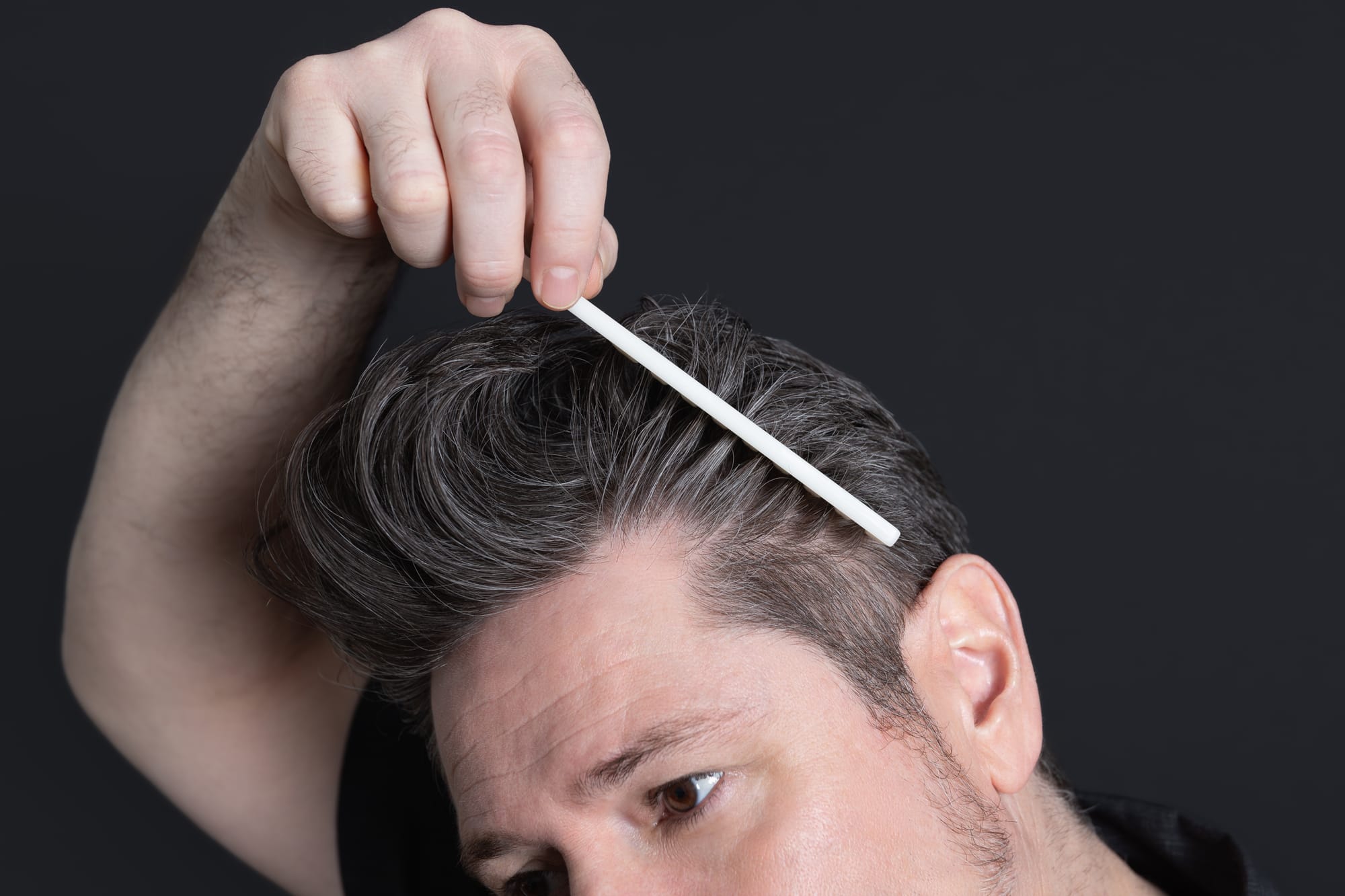
Professional Hair Systems clients often ask what matters most for getting the longest, most natural wear from a hair system at home. The answer is consistency. Small daily habits protect the base, preserve the hair, and keep the bond comfortable. Below are the top 10 at home maintenance tips you can follow to extend wear time, reduce shedding, and keep your hair system looking fresh between services.
1) Establish a simple, repeatable daily routine
Longer wear starts with doing a few things every day instead of doing huge fixes after problems show up. Your daily routine should take just a few minutes and focus on detangling, checking the perimeter, and keeping the system clean and dry in the right places.
- Morning, lightly brush to remove overnight tangles, then do a quick perimeter check for lifting.
- After workouts or sweating, cool down, pat dry, and use a scalp safe cleanser if needed.
- Nightly, detangle again and secure hair for sleep to reduce friction.
The goal is fewer surprises. A routine also helps you notice changes early, like dry ends, early bond breakdown, or irritation, so you can adjust products before damage occurs.
2) Brush correctly, use the right tools, and never brush dry knots
Most shedding and breakage is not from the hair system itself, it is from how it is handled. Use a soft bristle brush or a wide tooth comb designed for hair systems. Avoid aggressive brushing at the base, because that can stress the knots, increase shedding, and lift edges.
- Start detangling from the ends, then work upward in small sections.
- Support the hair near the base with your free hand so you do not pull on the bond.
- If you hit a knot, stop, mist with a leave in conditioner or detangler, then gently work it out.
Also avoid brushing when fully wet. Wet hair stretches and snaps more easily. If you must detangle wet hair, do it gently with a wide tooth comb and plenty of slip from conditioner.
3) Wash less often, but wash smarter
Overwashing is one of the fastest routes to dryness, tangling, and premature fading. Most wearers do better with fewer washes and better technique. Your scalp may need cleaning more often than the hair fibers do, especially if you are active. Aim to clean what needs cleaning, not everything every time.
- For many people, 1 to 3 full washes per week is enough, depending on oil and lifestyle.
- Use lukewarm water, not hot water, to protect the hair and bond.
- Choose sulfate free, system friendly shampoo, and focus it on the scalp and roots area.
- Do not pile hair on top of itself and scrub. Smooth shampoo downward in the direction of hair flow.
Conditioner should go mid lengths to ends, not into the base. Keeping conditioner away from the attachment area helps reduce slippage and lifting.
4) Keep products away from the bond and base perimeter
Most lifting issues come from ingredient conflicts. Oils, heavy silicones, waxes, and thick conditioners can migrate into tapes or adhesives and weaken the hold. Even if your system looks fine at first, buildup at the perimeter can cause earlier breakdown and more frequent touch ups.
- Apply leave in products starting at mid lengths, then distribute to ends.
- Avoid oil based scalp serums near the hairline or perimeter.
- If you use sunscreen on your forehead, let it set fully, then wipe the hairline area before your system touches it.
If you love styling creams, use a pea sized amount and keep it on the hair, not on the base. Less product usually means longer wear and easier cleaning later.
5) Manage sweat, humidity, and heat before they manage you
Heat and moisture are normal, but they can shorten bond life if you do not manage them. Sweat and humidity soften many adhesives and can cause edge lifting. Heat tools can dry out hair and create frizz and tangles that lead to breakage.
- After sweating, rinse the scalp area with cool or lukewarm water, then pat dry, do not rub.
- Use a cool blow dry setting at the root area if your adhesive allows it, and keep airflow moving.
- Limit flat iron and curling iron use. Use a heat protectant on the hair lengths only.
When possible, choose lower heat settings and fewer passes. Hair systems do not receive natural oils like bio hair, so once heat damage happens it shows faster.
6) Do perimeter checks and small touch ups instead of waiting for a full failure
Edges rarely lift all at once. They lift a little, then collect dirt or moisture, then lift more. A quick check can prevent a full reattachment session at the worst possible time.
- Check the front hairline, temples, and nape every day or two.
- If you feel tacky residue or notice a corner lifting, clean and touch up that small area promptly.
- Use the minimal amount of adhesive needed for the repair, then allow proper dry time.
A small touch up also protects realism. A crisp hairline and flat perimeter instantly makes a system look more natural and well maintained.
7) Protect the hair while you sleep
Nighttime friction is a major cause of tangles, dryness, and matting, especially at the nape. Sleep protection is a low effort, high payoff habit for longer wear and better morning styling.
- Use a satin or silk pillowcase to reduce friction and moisture loss.
- For longer styles, loosely braid or tie hair into a low, soft ponytail with a fabric scrunchie.
- Avoid sleeping with soaking wet hair. If you wash at night, dry the base area first.
If you tend to toss and turn, consider a breathable satin sleep cap. The goal is less rubbing and fewer knots near the collar area.
8) Deep condition strategically, and focus on the ends
System hair often needs moisture, but deep conditioning must be done in a way that does not weaken your bond. Think of conditioning as targeted repair for the hair lengths and ends, not a scalp treatment.
- Deep condition every 1 to 2 weeks, depending on dryness and styling frequency.
- Apply mask mid lengths to ends, then comb through gently for even coverage.
- Keep at least a small buffer zone away from the base perimeter.
- Rinse thoroughly to prevent residue that can attract dirt and cause tangles.
If your ends feel rough, follow with a small amount of leave in conditioner after towel drying. This improves softness and reduces friction, which directly improves longevity.
9) Minimize shedding and fading with gentle styling habits
Hair systems look best when the hair remains dense and the color stays consistent. Shedding and fading are often accelerated by rough handling, UV exposure, and harsh products. Better styling habits protect your investment.
- Use alcohol heavy styling products sparingly, they can dry hair and increase brittleness.
- Rinse after swimming. Chlorine and saltwater can strip color and dry hair quickly.
- Wear a hat in strong sun, or use a UV protectant spray on the hair lengths.
- Avoid tight hairstyles that stress the same areas daily, especially around the perimeter.
If you notice color fading, consider a color depositing conditioner that matches your shade, used only on the hair lengths. Always patch test on a small section first to avoid unexpected tone changes.
10) Plan your full maintenance days with the right timing, tools, and cleanup
The best at home results come from preparing for maintenance like a mini appointment, even if you do it yourself. Rushing causes torn lace, stretched poly, or leftover residue that shortens the next bond cycle. Build a checklist and allow enough time.
- Gather supplies first, adhesive remover, gentle shampoo, scalp cleanser, tapes or adhesive, cotton pads, a mirror setup, and a proper comb or brush.
- Remove slowly and evenly, never rip. Let remover do the work to protect the base and your skin.
- Clean the base thoroughly. Residue left behind leads to poor adhesion and short wear times.
- Clean and dry your scalp fully before reattachment. Adhesives bond best to clean, dry skin.
- After attachment, respect cure time. Avoid heavy sweat, swimming, or hot showers for the first day if your bond system requires it.
Keeping a consistent schedule for full removals helps your scalp stay healthy and prevents buildup. Many wearers find that planned maintenance every 1 to 3 weeks, paired with small touch ups, gives the best balance of comfort, realism, and longevity.
Quick troubleshooting guide for longer wear
- Early lifting at the hairline: Reduce oils and lotions near the front, clean skin fully, and use smaller, controlled adhesive amounts.
- Itchy scalp: Check for product buildup, sweat residue, or sensitivity to adhesive. Clean more often at the scalp level, and avoid harsh scrubbing.
- Tangles at the nape: Improve sleep protection, reduce friction from collars, and condition ends more consistently.
- Hair feels dry or frizzy: Wash less often, add leave in moisture to mid lengths and ends, and reduce heat styling.
Conclusion
Long wear is rarely about one magic product. It is about protecting the bond, preventing buildup, and treating the hair fibers gently every day. If you follow these top 10 tips at home, you will see fewer emergencies, easier maintenance sessions, and a hair system that stays comfortable and natural looking for longer. For more guidance tailored to your base type and lifestyle, Professional Hair Systems recommends keeping notes on what you use, how long your bonds last, and what conditions cause lifting, then adjusting one variable at a time.